
1. Introduction to Transportation
Transportation serves as the lifeline of modern society, facilitating the movement of people and goods from one place to another. Understanding the various facets of transportation is crucial for comprehending how economies, industries, and communities function. Transportation encompasses a multitude of methods, modes, and systems, each with unique advantages and challenges. In this comprehensive guide, we will explore the importance of transportation in daily life, provide a historical context, and delve into the diverse types of transportation modes.
1.1 What is Transportation?
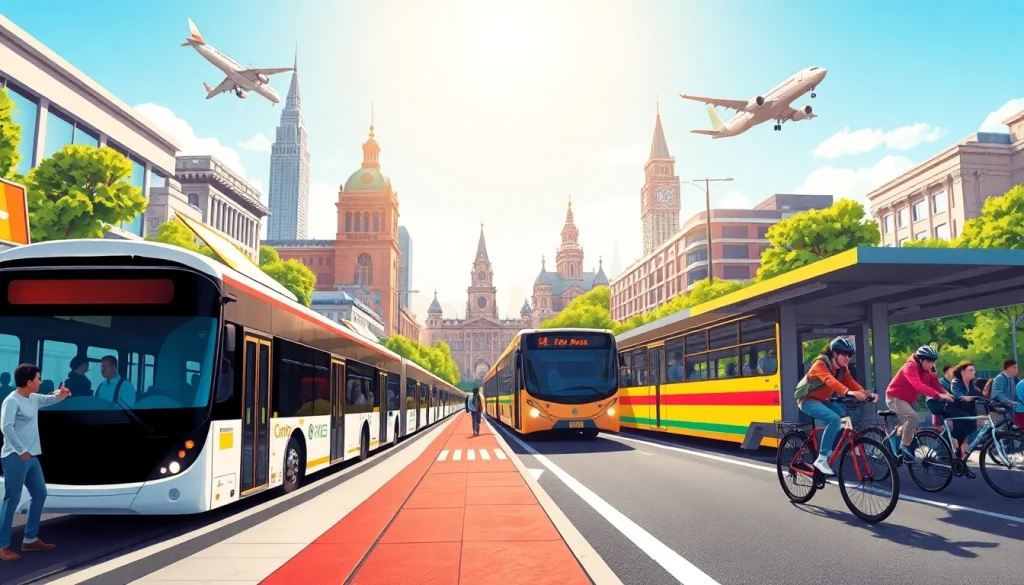
Transportation is defined as the intentional movement of humans, animals, and goods from one location to another. It can occur across multiple vectors including land, water, and air. The essence of transportation lies in its ability to connect places, enabling access to resources, markets, and opportunities. Various vehicles and infrastructures, from bicycles and buses to airplanes and ships, are utilized to facilitate this essential process.
1.2 Importance of Transportation in Daily Life
The significance of transportation extends beyond mere convenience. It is integral to economic growth, social interaction, and cultural exchange. Reliable transportation systems contribute to job creation, enable access to education and healthcare, and enhance overall quality of life. Furthermore, they are pivotal in sustaining trade and commerce by linking suppliers to consumers, ensuring that goods are available where they are needed most.
1.3 Historical Overview of Transportation
The evolution of transportation has been influenced by technological advancements, cultural shifts, and economic needs. Initially, transportation methods were rudimentary, relying on human and animal power. The invention of the wheel, followed by developments in shipbuilding, railways, and eventually automobiles and airplanes, marked significant milestones. Each innovation not only transformed how people moved but also reshaped cities and industries, paving the way for globalization and interconnectedness.
2. Types of Transportation Modes
Transportation can be categorized into various modes, each suited for specific purposes and conditions. Selecting the appropriate mode is critical based on factors such as distance, cost, time, and nature of the goods or passengers being transported.
2.1 Public Transportation Options
Public transportation encompasses systems that are available for use by the general public, typically operated on scheduled routes and offering affordability. Some common forms include:
- Buses: Buses are a versatile mode for urban and rural travel, providing essential connectivity where other forms may be impractical.
- Trains: Rail systems can transport passengers efficiently over long distances. High-speed rail in particular has gained popularity in regions like Europe and Asia.
- Subways and Light Rail: Particularly useful in metropolitan areas, these systems help alleviate road congestion and reduce travel times.
- Trams: Often found in cities, trams are used for short-distance travels, effectively blending public transport with urban landscapes.
2.2 Private Transportation Choices
Private transportation provides users with flexibility and convenience. It is often perceived as a more comfortable but expensive option compared to public transit. Some popular choices include:
- Automobiles: Cars remain one of the most favored means of transportation, especially for families and individuals, due to their convenience and personal space.
- Bicycles: Increasingly seen as a sustainable choice, cycling promotes not only personal mobility but also health and environmental benefits.
- Motorcycles: Offering a faster, more agile alternative to cars, motorcycles are a preferred option for many commuters.
- Car Rentals and Ridesharing: Services like Uber and Lyft have revolutionized personal mobility, allowing users to access transportation without the need for ownership.
2.3 Emerging Modes of Transportation
With the advancement of technology, new modes of transportation are continuously being developed. These innovations have the potential to change the landscape of transportation profoundly:
- Electric and Autonomous Vehicles: The rise of electric cars is complemented by advancements in autonomous technology, promising to enhance safety and reduce emissions.
- Hyperloop: This proposed high-speed transport system aims to move passengers in pods through low-pressure tubes, drastically decreasing travel times between cities.
- Drones: Their popularity is growing, particularly in logistics and package delivery, offering an alternative to traditional ground transportation.
- Flying Taxis: Though still in the conceptual phase, flying taxis represent a new frontier in urban mobility, potentially alleviating congestion on the ground.
3. Factors Influencing Transportation Choices
When selecting a transportation mode, various factors come into play. Understanding these influences can better inform individual and organizational decision-making.
3.1 Cost Considerations
Cost is often a pivotal factor in transportation decisions. Public transport generally presents a more cost-effective option, particularly for urban commuters. In contrast, private transport can entail expenses such as fuel, maintenance, insurance, and depreciation. Businesses also evaluate the cost-effectiveness of their transportation options by considering logistics costs, labor, and infrastructure requirements.
3.2 Environmental Impact
As environmental concerns grow, the ecological footprint of different transportation modes has gained prominence. Transportation contributes significantly to greenhouse gas emissions; thus, the move towards more sustainable options is crucial. Public transport, electric vehicles, and non-motorized options like biking present lower environmental impacts. Organizations and individuals are increasingly factoring in sustainability when making transportation decisions.
3.3 Convenience and Accessibility
Convenience plays a substantial role in transportation choices. Factors like proximity to transit options, route efficiency, and availability directly affect user preference. Moreover, accessibility is vital for ensuring that everyone can use transportation systems, including people with disabilities. Cities that prioritize accessible transport options tend to foster greater inclusivity and mobility for all residents.
4. Best Practices in Transportation Management
Efficient transportation management is essential for organizations and municipalities seeking to optimize their transportation systems. Implementing best practices can lead to enhanced efficiency, safety, and reliability.
4.1 Efficient Route Planning
Utilizing technology to analyze traffic patterns, road conditions, and delivery schedules can dramatically improve route planning. Solutions such as GPS routing, real-time traffic updates, and analytics help create optimal routes, minimize delays, and save on operational costs. Businesses can employ transport management systems (TMS) to streamline their logistics and enhance service delivery.
4.2 Technology Integration in Transportation
Technology continues to be a game-changer for the transportation sector. Companies leveraging telematics, AI, and big data can monitor vehicles in real-time, track performance metrics, and even predict maintenance needs. Smart transport infrastructure, such as connected traffic lights and smart parking systems, can further enhance urban transportation efficiency, reducing congestion and emissions.
4.3 Safety Measures in Different Transportation Modes
Safety remains a paramount concern across all modes of transport. Implementing stringent safety measures, such as regular vehicle inspections and driver training programs, is essential. Public transport systems, in particular, must ensure passenger safety through sufficient training for operators and secure infrastructures. Compliance with local and national safety regulations is non-negotiable and should be central to operational strategies.
5. Future Trends in Transportation
The future of transportation promises to be dynamic, influenced by evolving technologies, societal needs, and global challenges. Below are key trends shaping the horizon of transportation.
5.1 Sustainable Transportation Innovations
As sustainability becomes a priority worldwide, innovations aimed at reducing the environmental impact of transportation are on the rise. Advances in battery technology are making electric vehicles more viable, while innovations in public transit are promoting green practices, such as alternative fuels and energy-efficient systems. Urban planning increasingly incorporates green transportation options, leading to cities that prioritize health and environmental goals.
5.2 The Role of Autonomous Vehicles
Autonomous vehicles are no longer a distant concept; they are poised to reshape the industry considerably. Self-driving technology promises to enhance safety, improve traffic flow, and reduce the need for parking, which in urban areas could free up vast amounts of real estate. However, the deployment of this technology requires addressing regulatory challenges, safety concerns, and public acceptance.
5.3 Urban Planning and Transportation Integration
Effective urban planning is critical for seamless transportation integration. Cities are increasingly adopting holistic approaches that harmonize land use, transportation, and infrastructure development. This involves creating multi-modal transit hubs, enhancing public transport networks, and promoting walking and cycling. The goal is to craft environments that encourage sustainable and efficient transportation practices, fostering vibrant, accessible communities.