
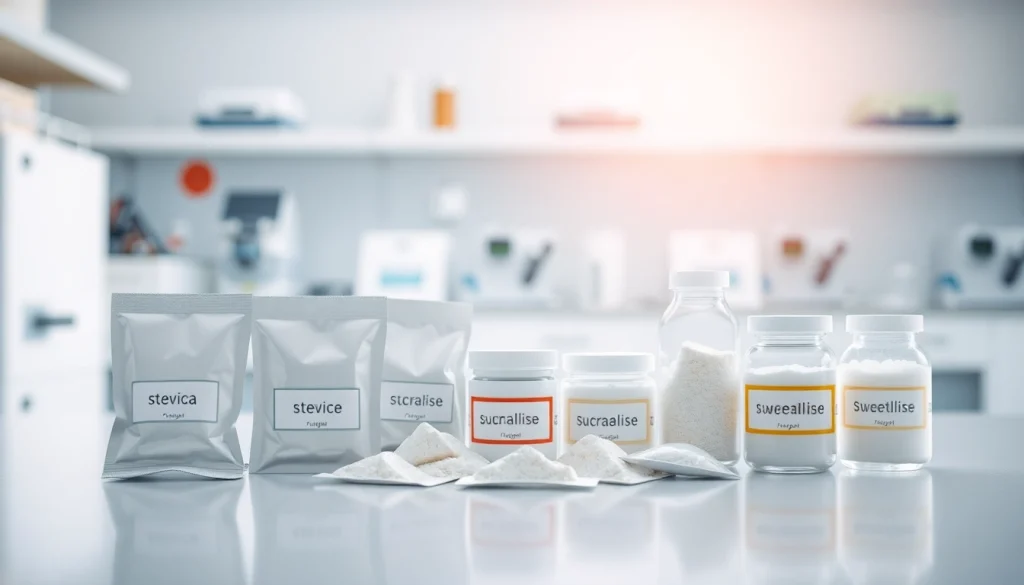
What is Industrial Sweetener?
Defining Industrial Sweetener
Industrial sweeteners have become pivotal in modern food production, offering both manufacturers and consumers a diverse array of options to enhance flavor without the calories associated with traditional sugars. These sweeteners are substances used primarily in food and beverage products to deliver sweetness without sugar’s caloric content. The need for industrial sweetener arises from various dietary requirements and health concerns, including obesity and diabetes.
Common Types of Industrial Sweetener
Industrial sweeteners can be categorized broadly into two main types: natural and artificial. Natural sweeteners include those that are derived from plants, such as stevia and agave nectar, while artificial sweeteners, such as aspartame and sucralose, are synthesized chemically. Each type of sweetener serves unique purposes in various food applications, enhancing taste and texture while meeting consumer demands for lower-calorie options.
Importance in Modern Food Production
The significance of industrial sweeteners in food production cannot be overstated. As consumer awareness regarding health and nutrition increases, the demand for lower-calorie and sugar-free alternatives rises. Industries ranging from baking to beverages utilize these sweeteners to create products that appeal to health-conscious consumers. Moreover, they allow food manufacturers to reduce overall costs without compromising on taste, thereby maintaining customer satisfaction and competitiveness in a saturated market.
Types of Industrial Sweeteners
Naturally Derived Sweetener
Naturally derived sweeteners originate from plants or fruits and are often perceived as healthier alternatives to refined sugar. Examples include:
- Stevia: Extracted from the leaves of the Stevia rebaudiana plant, stevia is known for its intense sweetness and zero-calorie content.
- Erythritol: A sugar alcohol derived from fermentation of glucose, erythritol provides about 60-80% of sugar’s sweetness but with minimal calories.
- Agave Nectar: Harvested from the agave plant, this sweetener has a lower glycemic index than traditional sugars but is higher in fructose.
Synthetic Sweetener
Synthetic sweeteners are chemically produced and typically much sweeter than sugar. They include:
- Aspertame: Common in diet sodas and sugar-free products, it is about 200 times sweeter than sugar.
- Sucralose: Known for its stability at high temperatures, it is often used in baked goods and beverages.
- Saccharin: One of the oldest artificial sweeteners, it is frequently used in low-calorie foods and soft drinks.
Comparative Analysis of Sweetener Types
Selecting the right type of sweetener involves a comparative analysis focusing on flavor profile, health effects, and application suitability. While naturally derived sweeteners are favored for their perceived health benefits, synthetic sweeteners often excel in cost-effectiveness and stability. Understanding the specific needs of a product can guide manufacturers in choosing the best type of sweetener for their formulations.
Applications of Industrial Sweetener
Food Manufacturing
Industrial sweeteners are extensively utilized in food manufacturing. They enhance flavor in products like baked goods, confectionery, and sauces while allowing for calorie reduction. The customization potential of sweeteners leads to innovative food products catering to diverse dietary needs and preferences.
Beverages
In the beverage industry, sweeteners play a critical role. Soft drinks, energy drinks, and flavored waters increasingly rely on both natural and artificial sweeteners to offer consumers low-sugar options without sacrificing sweetness. Innovations in flavor technology enable brands to create unique taste experiences while meeting regulatory guidelines on sugar content.
Pharmaceutical and Health Products
Beyond food and beverages, industrial sweeteners are also key in pharmaceutical and health products. They mask unpleasant flavors in medicines and dietary supplements, improving patient compliance. Furthermore, they serve as vital components in products aimed at controlling weight and managing diabetes, contributing to the health of consumers while maintaining palatability.
Benefits of Using Industrial Sweetener
Health Implications
Utilizing industrial sweeteners can significantly reduce caloric intake, aiding in weight management and enhancing dietary choices for individuals with health concerns like diabetes. However, it is essential for consumers to be informed about the health implications associated with specific types of sweeteners, as some may have different effects on blood sugar and metabolism.
Cost Effectiveness
From a manufacturing standpoint, industrial sweeteners tend to be more cost-effective compared to traditional sugars. They require less quantity to achieve the desired sweetness, resulting in lower material costs for producers. This economic advantage allows for more flexible pricing strategies and improved profit margins within the competitive food and beverage industry.
Versatility in Recipes
Industrial sweeteners demonstrate remarkable versatility across a spectrum of recipes. They can be tailored to suit various culinary applications, whether enhancing savory sauces, sweet desserts, or beverage formulations. This adaptability allows chefs and food scientists to create innovative and appealing products that align with consumer trends.
Challenges and Considerations
Public Perception and Misconceptions
The public perception of sweeteners is often mixed, influenced by media coverage and personal experiences. Misconceptions surrounding safety, potential side effects, and health benefits can create hesitancy among consumers. Educating the public through transparent labeling and reliable information sources is vital for clearer understanding and acceptance.
Regulatory Compliance
Adhering to regulatory requirements is crucial for manufacturers of industrial sweeteners. The safety and efficacy of sweetening agents must align with food safety standards established by governmental organizations. This compliance ensures consumer safety while fostering trust in products labeled as using sweeteners.
Future Trends in Sweeteners
The future of sweeteners is likely to be shaped by ongoing innovations in food technology and shifts in consumer preferences. Developments in natural sweetener extraction, fermentation processes for synthetic sweeteners, and new formulations will enhance the possibilities of industrial sweeteners. Additionally, growing awareness of environmental sustainability may drive demand for plant-based sweeteners with minimal environmental impact.
Frequently Asked Questions
What are the most common industrial sweeteners?
The most common industrial sweeteners include stevia, erythritol, aspartame, and sucralose, used across various food and beverage products.
Are industrial sweeteners safe for consumption?
Most industrial sweeteners approved by regulatory agencies are considered safe for consumption within recommended limits. However, individual responses may vary.
How do industrial sweeteners compare to regular sugar?
Industrial sweeteners are typically much sweeter than regular sugar, allowing for lower caloric content while achieving similar sweetness levels.
Can industrial sweeteners impact health?
While beneficial for weight management, excessive consumption of industrial sweeteners may lead to digestive issues or cravings for sweetness, depending on the type.
What trends are emerging in the sweetener market?
Emerging trends include a shift towards natural sweeteners, demand for plant-based options, and innovations in taste and formulation to enhance flavor in products.