Understanding Hardscapes: Definition and Importance
What Are Hardscapes?
Hardscapes refer to the non-plant elements in landscaping that contribute to the design and functionality of outdoor spaces. This includes structures made from materials like concrete, brick, stone, and wood. Hardscapes serve as the backbone of outdoor environments, providing pathways, seating areas, and distinct boundaries that shape the layout and aesthetics of the landscape. By incorporating hardscapes into your garden or lawn, you create functional spaces that enhance accessibility and usability, facilitating movement and interaction within your outdoor realm.
Benefits of Hardscapes in Landscaping
Integrating hardscapes into your landscaping has numerous advantages. Firstly, they greatly enhance the visual appeal, making outdoor areas more attractive. Hardscapes also reduce erosion, improve drainage, and require less maintenance than traditional plantings. Furthermore, they can provide defined spaces for social gatherings, encourage outdoor living, and even increase property value by enhancing curb appeal. These elements can transform an ordinary area into a stylish and functional extension of your home.
Common Materials Used in Hardscapes
When considering hardscape design, a variety of materials can be utilized, each offering unique characteristics. Here are some of the most common materials:
- Concrete: Versatile and durable, ideal for patios and walkways.
- Brick: Offers classic aesthetics, commonly used for paths and borders.
- Natural Stone: Provides a rustic look and varied textures; excellent for walls or patios.
- Timber: Great for decks and raised beds, exudes warmth but requires care against the elements.
- Pavers: These can be made from concrete or stone, allowing for customizable designs in driveways and walkways.
Types of Hardscapes and Their Applications
Patios and Walkways
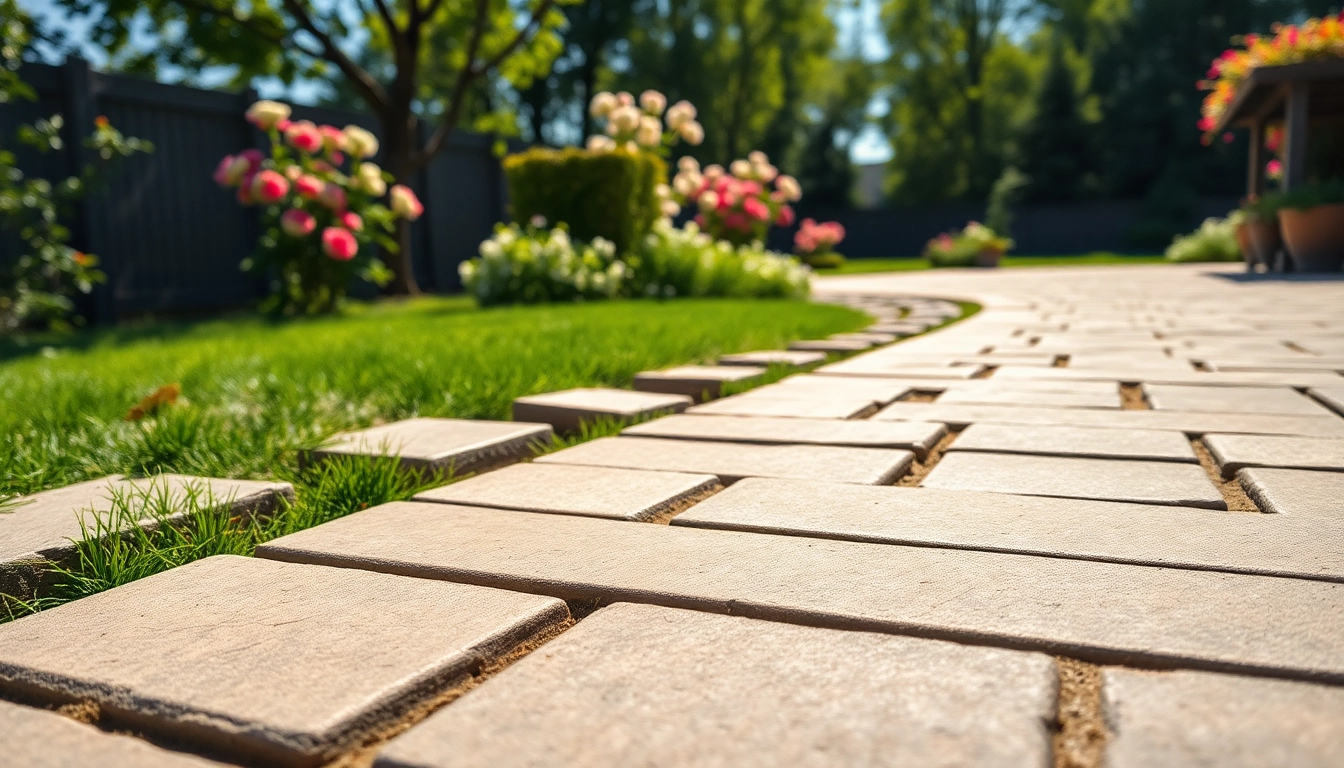
Patios and walkways are essential components of hardscapes. Patios serve as outdoor living spaces for entertainment, complete with furniture and possibly fire pits or barbecues. When designing a patio, it's important to consider the material to match your home's architecture. Walkways guide movement through gardens with defined paths that can be lined with lighting or ornamental edges to enhance usability and safety.
Retaining Walls: Function and Aesthetics
Retaining walls are an integral part of hardscapes, especially in sloped areas. They serve a functional purpose of preventing soil erosion and managing water runoff. Beyond practicality, retaining walls can also add aesthetic value. Constructed from various materials, these structures can be designed to blend seamlessly with the surrounding environment, providing both utility and beauty. They can be adorned with plants or decorative finishes to create tailored landscaping features.
Driveways: A Hardscape Approach
Driveways are often the first hardscape element that guests encounter, making it essential for this feature to be both functional and appealing. When selecting materials, consider options that complement your home’s facade and withstand vehicle pressure and outdoor elements. A well-designed driveway not only provides a practical solution for parking but also enhances the overall visual harmony of your property. Techniques such as interlocking pavers or decorative concrete can elevate the appearance greatly.
Designing Your Hardscape: Key Considerations
Choosing the Right Material
Selecting the right material for your hardscapes is crucial to ensuring longevity and satisfaction. Factors to consider include your property's climate, the overall aesthetic you wish to achieve, and your budget. For instance, while natural stone may provide durability, it can also be more expensive than concrete alternatives. Consulting with landscaping professionals can offer crucial insights into selecting materials best suited for your specific needs and design goals.
Layout and Spatial Planning
A well-thought-out layout is essential for maximizing the functionality and beauty of hardscapes. Begin by analyzing your outdoor space to determine key areas for patios, walkways, and planting zones. Remember to consider the flow of movement, ensuring that pathways connect different areas logically and comfortably. Techniques such as creating zones using different materials, colors, or textures can effectively delineate spaces, enriching the overall design.
Incorporating Natural Elements
Integrating natural elements into hardscape designs can create a cohesive transition between built and natural environments. This can include using live plants, water features, or integrating natural stones into walls or pathways. Planters built into walls or seating areas can soften hard edges and provide habitats for wildlife, enhancing biodiversity in your garden.
Installation Process for Hardscapes
Preparation and Planning Steps
Before installation begins, thorough preparation is key. Start with defining the area where your hardscape will be placed. Clear the site of any debris, vegetation, and assess the existing soil condition. Depending on the intended use, you may need to install a solid base. This may include gravel or sand to provide stability. Consider establishing proper drainage systems to prevent waterlogging, which can compromise hardscapes over time.
Common Installation Techniques
The installation technique will largely depend on the type of hardscape feature. For example, laying pavers requires precise measurements for spacing and leveling. For concrete, proper mixing and pouring techniques must be adhered to for durability. Retaining walls typically require a reinforced system to support the weight of soil and water. Each technique has specific guidelines, so it may be beneficial to reference manufacturer recommendations or consult with experts during installation.
Maintenance Tips for Longevity
To prolong the life of your hardscapes, regular maintenance is essential. This includes cleaning surfaces to prevent stains and moss growth. Periodically resealing surfaces, particularly for concrete and pavers, can protect against weathering and keep them looking new. Check the joints and edges for cracks or shifting, making repairs promptly to prevent further damage.
Transforming Spaces with Hardscapes: Case Studies
Residential Transformations
Residential properties can experience significant transformations through hardscape additions. For instance, a family with a small backyard successfully expanded their usable space by installing a multi-level patio complete with outdoor furniture and a fire pit. This project not only provided a place for gathering but also enhanced the landscape's value and functionality, catering to the family’s needs for both leisure and entertaining.
Commercial Hardscape Projects
Commercial properties are also capitalizing on hardscapes to create inviting environments. A local restaurant redesigned its exterior with hardscape features such as a paved dining area and decorative walls that separate outdoor seating from the sidewalk. This not only improved dining experiences but also drew in foot traffic, illustrating how effective hardscapes can enhance a commercial setting.
Creative Uses of Hardscapes Outdoors
Innovative uses of hardscapes extend beyond traditional applications. A current trend involves using permeable pavers for driveways, allowing rainwater to soak through and reduce runoff, directly contributing to sustainable practices. Gardeners are incorporating stone paths that connect various planting beds, blurring the lines between hard and soft landscaping. These creative elements can promote eco-friendliness while offering aesthetic intricacies that celebrate individual styles.
FAQs
What are the advantages of using hardscapes?
Hardscapes enhance outdoor aesthetics, provide functional spaces, and reduce landscaping maintenance.
How do I choose the right material for my hardscapes?
Consider durability, aesthetics, climate, and your budget when selecting materials for hardscapes.
Can hardscapes be installed DIY?
Yes, with proper planning and tools, many hardscape elements can be installed by homeowners, though professional help is recommended.
What maintenance do hardscapes require?
Regular cleaning, sealing, and occasional repairs are essential to maintain the appearance and functionality of hardscapes.
Are hardscapes eco-friendly?
Hardscapes can be eco-friendly, especially when using permeable materials that allow water drainage and reduce runoff.